BLOG:
Powering the Future: How Bidirectional Energy is Revolutionizing the Grid
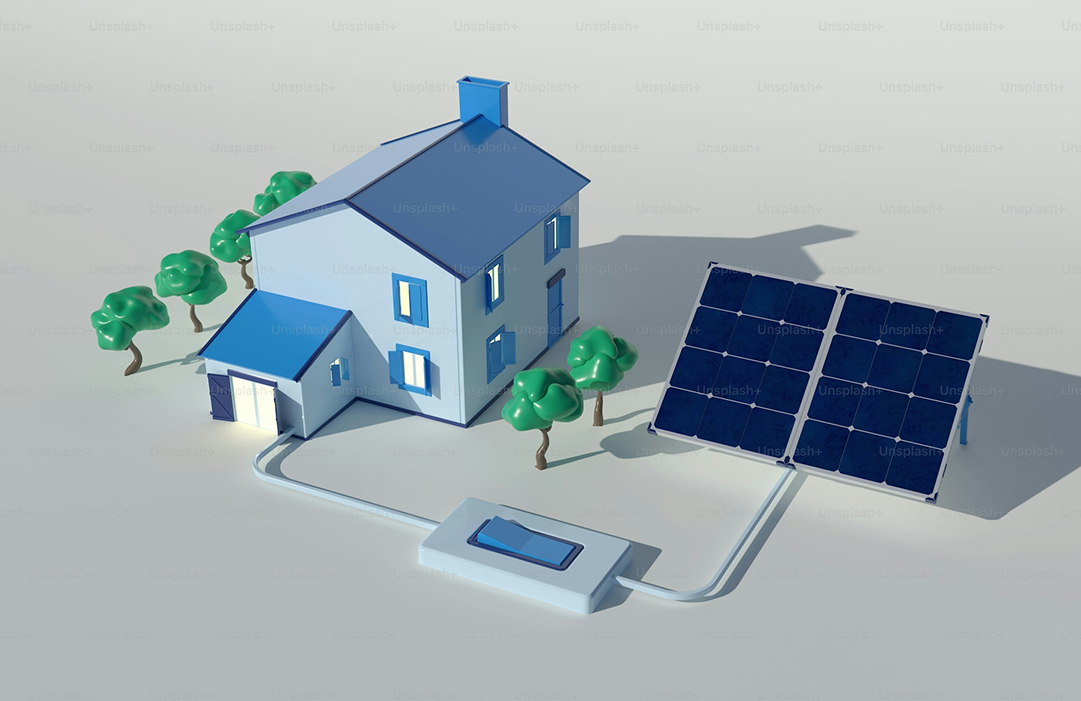
The concept of a smart energy home is rapidly becoming a reality as more households adopt a combination of solar panels, home battery storage, and electric vehicle (EV) charging systems. Traditionally, homes have relied entirely on the grid for electricity, with little control over energy production or costs. However, with rooftop solar installations, homeowners can now generate their own clean energy during the day. This energy can either be used immediately or stored in home batteries for later use, significantly reducing dependence on external power sources. The result is a more sustainable and cost-efficient way of managing household energy.
What truly completes this ecosystem is the integration of electric vehicles. EVs are not just an additional energy load, they are becoming a crucial component of home energy systems. With advanced charging technologies, EVs can act as mobile energy storage units, capable of storing excess solar energy generated during the day. This stored energy can then be used in the evening when solar production drops, aligning energy supply with real-time household demand. In this way, EVs bridge the gap between energy generation and consumption, making the entire system more balanced and efficient.
Another key advantage of this integrated setup is its ability to enhance energy resilience. During grid outages or peak demand periods, homes equipped with solar panels, batteries, and EVs can continue operating with minimal disruption. Instead of being fully dependent on centralized infrastructure, these homes function as independent energy hubs. This not only provides greater reliability but also helps reduce strain on the broader power grid, especially as more households adopt similar systems.
As energy technologies continue to evolve, the combination of EVs, solar power, and battery storage is set to become the new standard for modern living. Beyond cost savings and sustainability, this integrated approach represents a shift toward smarter, more autonomous energy management. Homes are no longer just consumers of electricity, they are active participants in the energy ecosystem. With EVs acting as the missing link, the vision of a fully self-sustaining home is no longer futuristic, it is quickly becoming the norm.
