BLOG:
EV Fleet Electrification: Driving the Future of Smart Energy Management
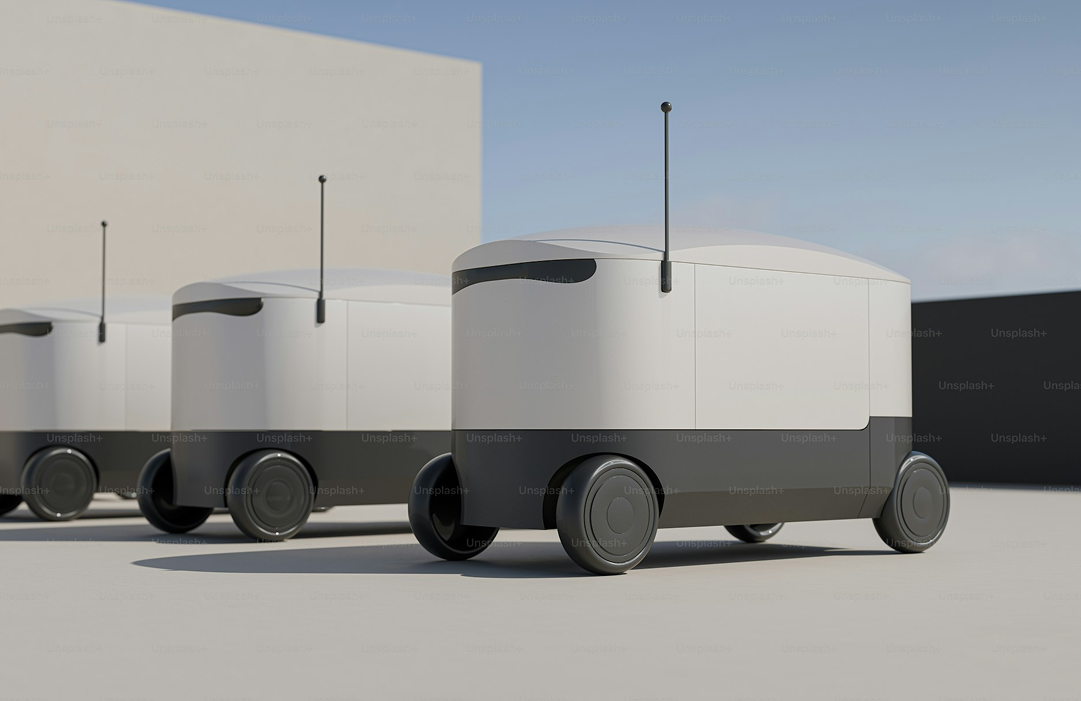
The electrification of commercial fleets is rapidly transforming not just transportation, but the way energy is consumed and managed at scale. Businesses are increasingly shifting from traditional fuel-powered vehicles to electric fleets to reduce emissions and operational costs. However, the real innovation lies in how these fleets are being used as coordinated energy systems rather than just modes of transport. With multiple vehicles connected through centralized platforms, fleet operators now have the ability to control, monitor, and optimize energy usage across their entire operation, unlocking efficiencies that were previously impossible.
One of the most impactful strategies being adopted is scheduled or smart charging. Instead of charging vehicles as soon as they return, fleets are programmed to charge during off-peak hours when electricity prices are lower. This not only reduces energy costs but also helps ease pressure on the grid during high-demand periods. By aligning charging behavior with pricing signals and energy availability, fleet operators can significantly improve cost efficiency while contributing to a more stable energy infrastructure.
Centralized energy management systems are further enhancing these capabilities. These systems provide real-time insights into vehicle usage, battery levels, and charging needs, allowing operators to make data-driven decisions. Combined with predictive analytics, fleets can anticipate demand, optimize routes, and ensure vehicles are charged efficiently without unnecessary energy waste. This level of control transforms fleet operations into a highly optimized ecosystem where energy and mobility are seamlessly integrated.
Another major development is the integration of renewable energy sources into fleet operations. Many fleets are now pairing their charging infrastructure with solar or other clean energy solutions, reducing reliance on the grid and lowering carbon footprints. In some cases, excess energy can be stored in vehicle batteries and used later, creating a closed-loop energy system. As this trend continues to evolve, EV fleets are no longer just reducing fuel costs, they are becoming strategic energy assets, playing a key role in shaping a smarter, more efficient, and sustainable energy future.
